







Body art has transitioned from a fringe subculture to a widely celebrated form of mainstream personal expression. At the heart of this cultural shift is the specialized studio environment where creativity meets technical precision.
A professional tattoo parlour serves as more than just a place of business; it is a sanctuary for artistic collaboration and a clinical environment that ensures the safety of the individual.
By blending ancient traditions with modern safety standards, these spaces allow people to immortalize their stories, beliefs, and aesthetics on their skin. Here are five ways that a dedicated studio environment facilitates the creation of meaningful and high-quality body art.
1. Providing a Collaborative Space for Custom Design
The journey toward a permanent piece of art often begins with a conceptual conversation between the artist and the client. Within a professional tattoo parlour, this consultation phase is crucial for translating an abstract idea into a viable visual composition.
Artists use their expertise in anatomy and skin texture to advise on placement, size, and detail density. This collaborative process ensures that the final result is not just a replicated image, but a custom-tailored piece of art that complements the natural contours of the human body and reflects the unique personality of the wearer.
2. Maintaining Stringent Hygiene and Safety Protocols
Safety is the most critical factor in any body modification process. A reputable tattoo parlour operates under strict health regulations to prevent cross-contamination and ensure a sterile environment.
This includes the use of single-use needles, medical-grade disinfectants, and autoclave sterilization for reusable equipment. By maintaining these high standards, the studio protects the client from infections and bloodborne pathogens.
The presence of a clean, organized workspace also provides the client with the peace of mind necessary to relax during what can otherwise be a physically demanding and intense experience.
3. Utilizing Advanced Technology and High-Quality Pigments
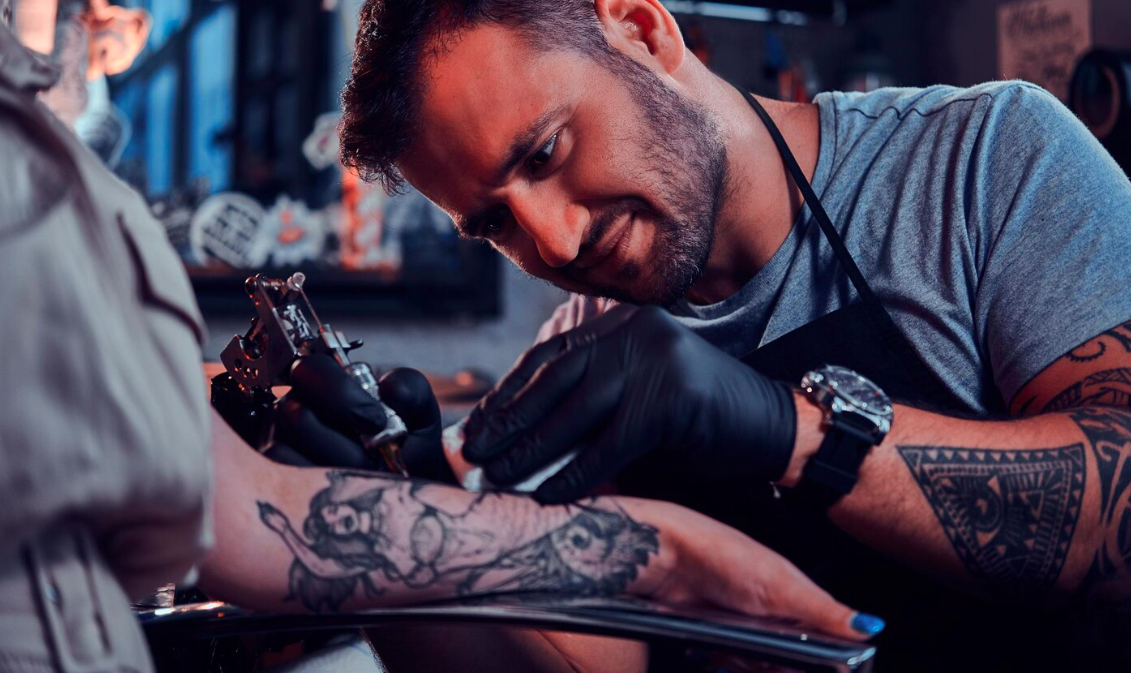
The evolution of tattooing equipment has significantly improved the precision and longevity of modern body art. A modern tattoo parlour utilizes state-of-the-art rotary or coil machines that offer greater control and a smoother application process compared to older methods.
Furthermore, the development of high-quality, vegan-friendly, and hypoallergenic pigments allows for more vibrant colors and finer shading techniques.
These technical advancements ensure that the artwork remains crisp and clear for many years, reducing the likelihood of significant fading or blurring that was common in previous decades.
4. Offering Expert Guidance on Aftercare and Healing
The creation of a tattoo does not end when the artist puts down the machine; the healing process is equally vital to the final outcome. A professional tattoo parlour provides comprehensive aftercare instructions to ensure the skin recovers properly without losing pigment.
This guidance typically includes recommendations for specific ointments, advice on sun protection, and warnings against submerged water exposure.
Proper aftercare managed by the client under the artist’s professional advice prevents scarring and ensures that the artistic integrity of the piece is maintained throughout the regenerative phase of the skin.
5. Cultivating a Specialized Artistic Community
Most studios are home to a diverse group of artists, each specializing in a different style, such as traditional, neo-traditional, realism, or minimalist fine-line work. Choosing the right tattoo parlour allows a client to find an artist whose specific portfolio aligns with their desired aesthetic.
This concentration of talent fosters an environment of continuous learning and inspiration, where artists push the boundaries of what is possible on the human canvas. This specialized atmosphere ensures that clients receive expert craftsmanship regardless of how complex or niche their artistic vision might be.