






Personalisation has been one of the most significant trends in the beauty industry over the years, mirroring consumers’ changing tastes. Today’s consumers are not content with value-added products that appeal to the masses. Rather, they seek beauty treatments that fulfill their personal requirements, tastes, and lifestyles. Whether it’s skin care, hair care, makeup, or health and wellness products, personalization is changing the way people view beauty and how brands create and promote their products.
More advanced technology and consumer awareness of personalized beauty are becoming industry standards. This change is a sign of a wider trend of consumers wanting specific results instead of general claims. The beauty industry is changing to create more personal experiences that resonate, feel relevant, and are effective.
Why Consumers Want More Personalized Beauty Experiences
These days, consumers have an abundance of beauty products to choose from. Choices are good, but they can also make it more difficult to select the product. A lot of people have been trying out skin care creams, shampoos, or cosmetics for years and have not been able to get the results they desire. This frustration has spurred an interest in customized beauty solutions tailored to individual concerns.
Consumers are also becoming more educated as to the ingredients and product formulations of beauty products. They don’t want to follow the latest fads and are looking for products that suit their skin type, hair texture, and goals. A sensitive skin type will need entirely different ingredients than someone who is looking to diminish signs of aging. Personalized beauty is aware of these differences and provides more targeted solutions.
Another reason for this trend is the increased importance of self-care. People are looking for beauty for themselves and not for an objective standard. People desire products that make them feel good and comfortable in their own skin, and personalization helps play a role in this, as it values the individual and not general segments.
How Technology Is Changing the Beauty Industry
Personalized beauty has become a reality thanks largely to technology. By leveraging digital tools and advanced analytics, brands can obtain data on customer preferences and make appropriate product recommendations. Skin assessment apps, virtual consultations, and AI-powered recommendation systems have become commonplace in the beauty industry.
These innovations are designed to guide consumers through the often overwhelming competition in the marketplace by giving consumers more personal guidance. Customers can make more informed decisions on what products are best for them and their concerns without having to “try and test.
Technology has created a communication link between brands and consumers, too. Beauty companies are able to better understand their customer base and what they want, which can then be applied to their products to meet the needs of their customers. This establishes a more collaborative relationship that makes the consumers feel heard and understood.
The Future of Beauty Is Individual
With the emergence of the beauty industry, personalization is expected to become even more important for consumers’ experience. The emergence of new technology, such as artificial intelligence, data analysis, and product development, is opening the door for brands to provide increasingly customizable solutions. Consumers will likely be able to find more products that are designed specifically for their individual characteristics, preferences, and lifestyles.
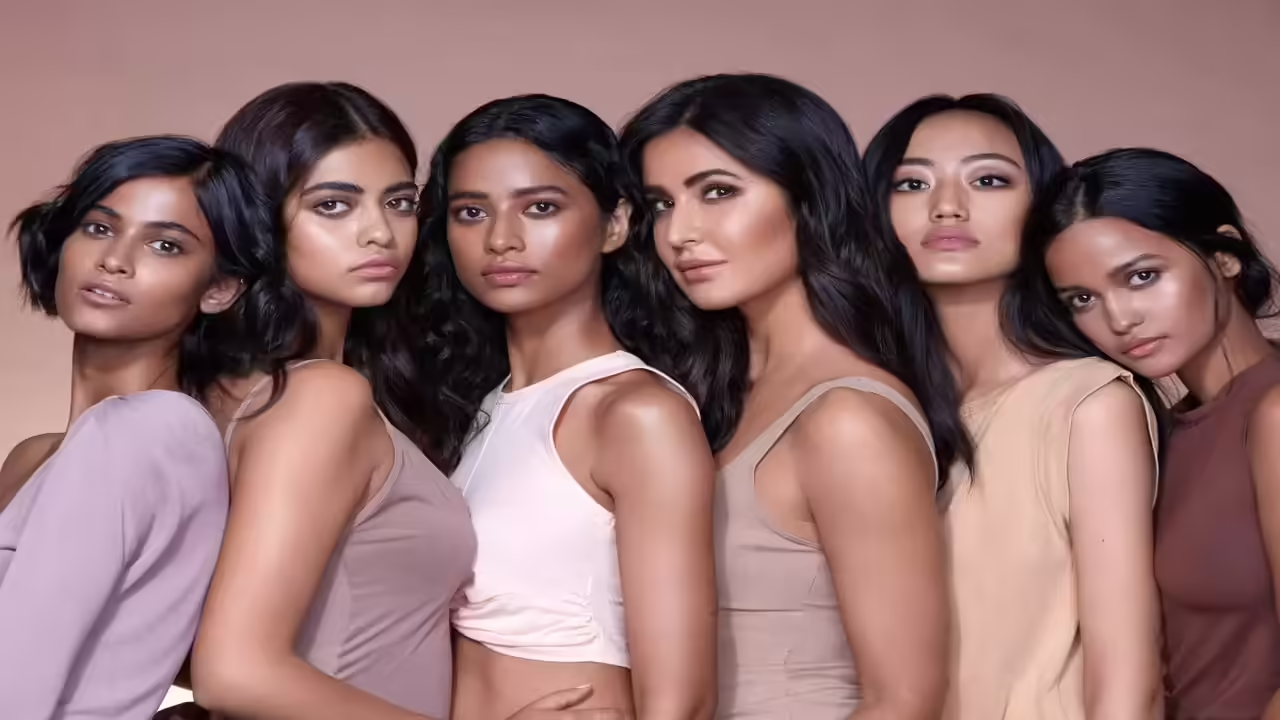
Meanwhile, personalization is a broader cultural movement that emphasizes individuality. Individuals are departing from a set of rigid beauty standards and are starting to appreciate how to celebrate their special characteristics. This thinking is driving brands to think in terms of diversity, inclusivity, and authenticity instead of pushing one concept of beauty.
Companies that are aware of and cater to individual needs will most likely be the ones that will define the future of the industry. Brands that are able to successfully provide meaningful personalization without being dishonest or deceitful will be positioned in a great way to have built solid relationships with consumers in the years to come.
Conclusion
Personalised beauty isn’t just a trend, it’s a paradigm shift in how consumers engage with beauty products and brands. Personalization is about meeting people where they are, where they like, and where they want to be, making it more effective and meaningful. The beauty industry is evolving, with personalized beauty poised to be a major driver of the future, offering unique, innovative experiences.