








Botox has become one of the most widely recognised cosmetic treatments in modern medicine. While many people associate it primarily with reducing facial wrinkles, its benefits extend far beyond aesthetic enhancement.
From boosting self-confidence to addressing various medical conditions, Botox offers practical solutions that improve quality of life for countless individuals. Understanding the different ways Botox can help allows people to make informed decisions about whether the treatment aligns with their personal goals and healthcare needs.
Enhancing Facial Appearance With Natural Results
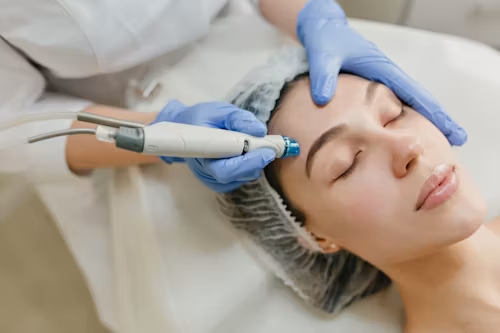
One of the most common reasons individuals seek Botox treatment is to soften the appearance of fine lines and dynamic wrinkles. Areas such as the forehead, around the eyes, and between the eyebrows often develop visible creases due to repeated facial expressions over time. Botox works by temporarily relaxing targeted muscles, creating a smoother and more refreshed appearance.
When administered by an experienced practitioner, the treatment enhances natural beauty without eliminating normal facial movement. The objective is not to create an artificial appearance but to provide subtle improvements that help individuals look well-rested and rejuvenated. These changes often contribute positively to personal confidence and self-image.
Boosting Self-Confidence And Emotional Wellbeing
Physical appearance can significantly influence how people feel about themselves. Many individuals report increased confidence following Botox treatment because they feel more comfortable with their appearance in both social and professional environments. Looking refreshed may help people project greater assurance during interactions, presentations, and important life events.
The emotional benefits are closely linked to personal satisfaction rather than dramatic transformation. Feeling positive about one’s appearance can contribute to improved wellbeing and encourage a stronger sense of self-confidence in everyday life.
Helping To Manage Chronic Migraines
Beyond cosmetic applications, Botox has established medical uses that provide substantial relief for many patients. One notable example is the treatment of chronic migraines. Individuals who experience frequent migraine attacks may benefit from carefully administered injections that help reduce both the frequency and severity of episodes.
The treatment targets specific muscle groups and nerve pathways associated with migraine pain. For some patients, this approach significantly improves daily functioning and reduces reliance on pain medication. Medical professionals often recommend Botox as part of a broader strategy for managing chronic headache conditions.
Reducing Excessive Sweating
Excessive sweating, also known as hyperhidrosis, affects many people and can interfere with daily activities and social confidence. Botox provides an effective solution by temporarily blocking the nerve signals that stimulate sweat glands. Common treatment areas include the underarms, hands, feet, and forehead.
Individuals who undergo treatment frequently experience substantial reductions in perspiration, allowing them to participate more comfortably in work, exercise, and social situations. This improvement often has a positive impact on both practical convenience and emotional wellbeing.
Assisting With Certain Muscle Disorders
Botox also plays an important role in treating various muscle-related medical conditions. Healthcare providers use it to manage muscle spasms, neck disorders, eyelid twitching, and other issues involving abnormal muscle contractions. By relaxing specific muscles, Botox can reduce discomfort and improve physical function.
Patients living with these conditions often experience enhanced mobility and greater comfort in their daily lives. The therapeutic applications of Botox continue to expand as medical research identifies additional areas where controlled muscle relaxation can provide meaningful benefits.
Supporting Preventative Ageing Strategies
Many individuals now use Botox as part of a preventative approach to ageing. Rather than waiting for deep wrinkles to become established, some choose treatment earlier to minimise the repetitive muscle movements that contribute to visible lines over time. This strategy aims to preserve smoother skin and maintain youthful facial characteristics.
Preventative treatment does not seek to eliminate the natural ageing process. Instead, it focuses on managing specific factors that influence wrinkle formation, helping individuals maintain their preferred appearance through subtle and carefully planned interventions.
Providing Convenient And Minimally Invasive Care
Another significant advantage of Botox is its convenience. Treatments are typically quick, require minimal recovery time, and allow individuals to return to normal activities shortly afterwards. Unlike surgical procedures, Botox offers temporary and adjustable results, giving patients flexibility in managing their aesthetic or medical goals.
The combination of effectiveness, accessibility, and limited downtime has contributed to its popularity across diverse age groups. Whether used for cosmetic enhancement or medical treatment, Botox continues to provide valuable benefits that support confidence, comfort, and overall quality of life.